In this article
Batteries let you keep using solar energy after sunset and during outages. Lithium batteries have become a popular choice for solar storage. This guide explains the key terms and what to look for.
What a solar battery does
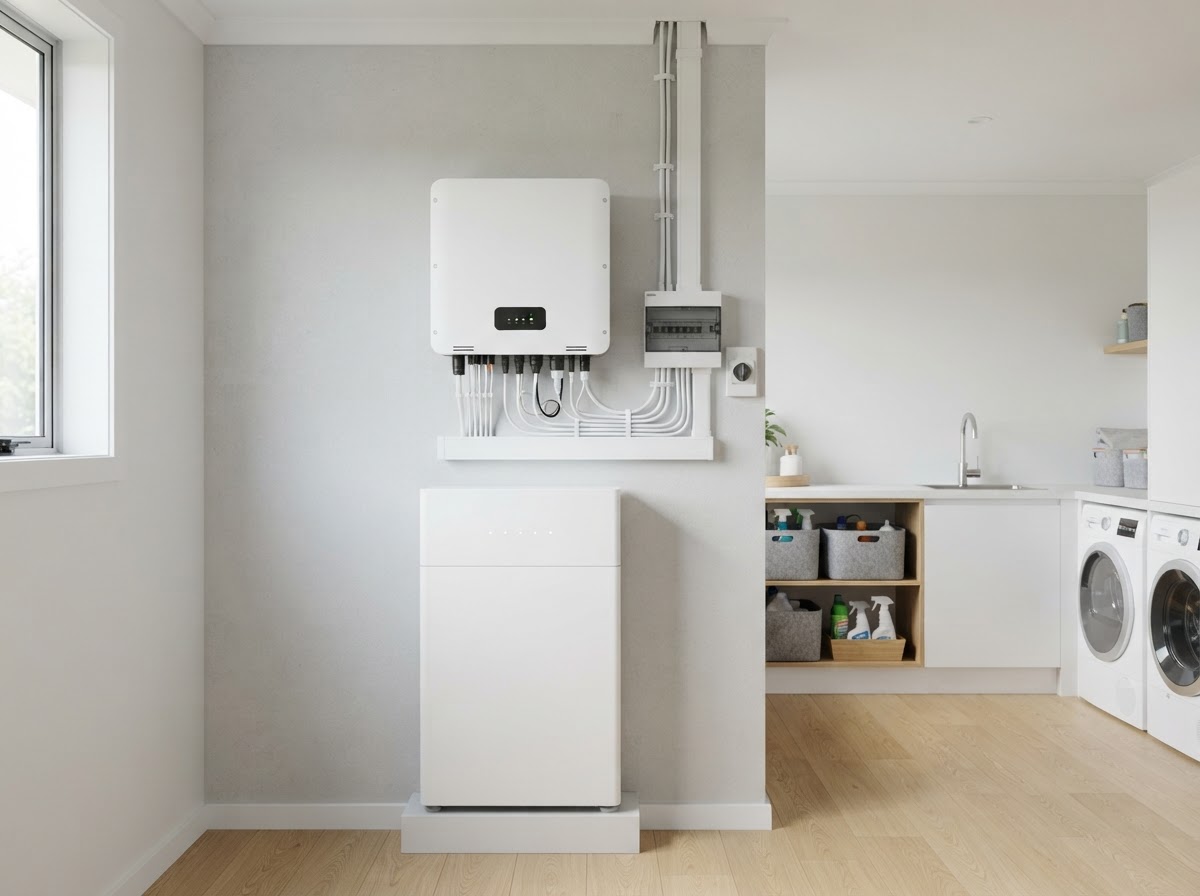
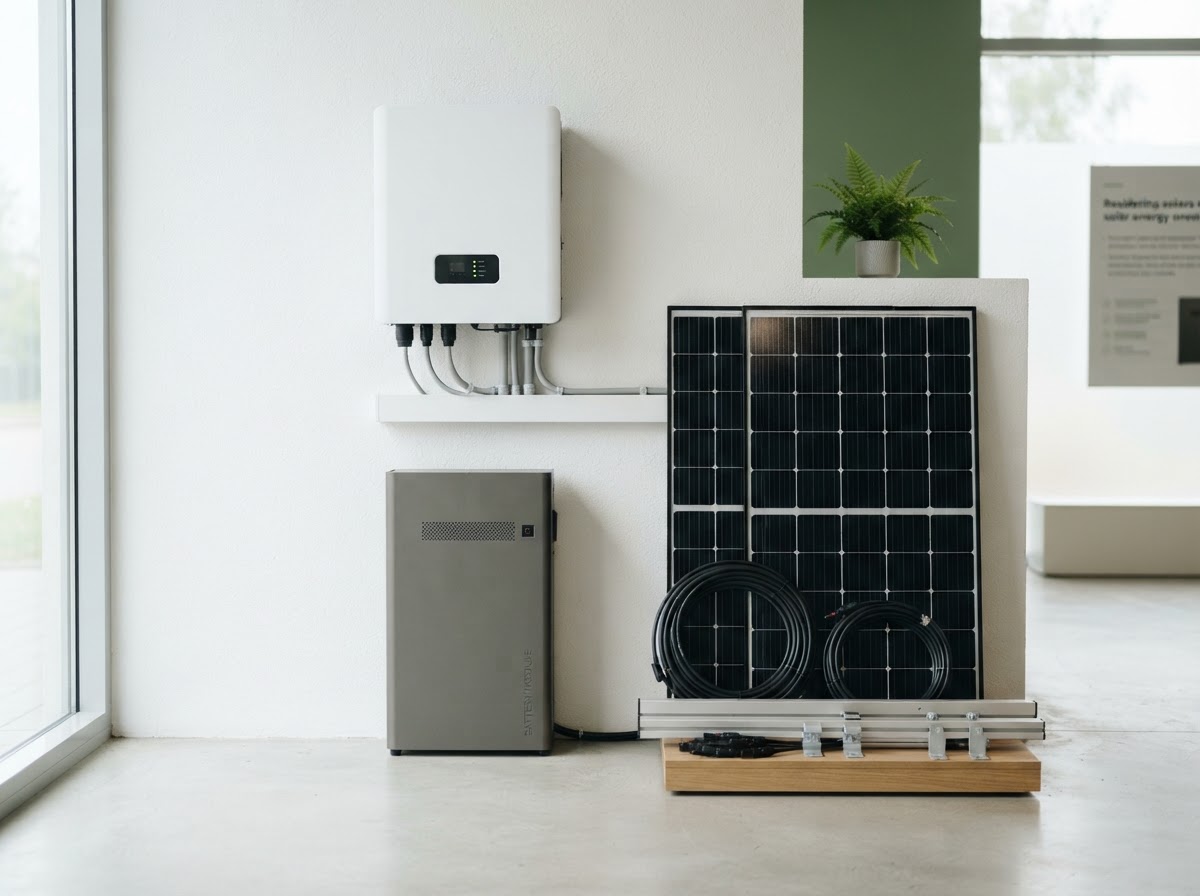
A solar battery stores surplus energy produced by your panels so it can be used later — in the evening, on cloudy days or when the grid is down. The inverter manages when the battery charges and discharges.
Key terms explained
- Capacity (kWh): the total energy the battery can store. A 5.12kWh battery stores 5.12 kilowatt-hours.
- Usable capacity / depth of discharge: the share of capacity that can be used without shortening battery life.
- Voltage: home storage batteries commonly operate at 48V or 51.2V nominal; the battery must match the inverter.
- Power rating: how quickly the battery can deliver energy, which affects how many appliances it can support at once.
LiFePO4: the common chemistry for solar storage
Many solar batteries use lithium iron phosphate (LiFePO4) chemistry. It is widely used for stationary storage because of its thermal stability and long cycle life compared with many other battery chemistries.
Lithium vs lead-acid
- Lithium batteries are generally lighter and more compact.
- More of their stored energy can typically be used.
- They need little routine maintenance — no topping up with water.
- They usually cost more upfront than lead-acid batteries.
The battery management system (BMS)
Lithium batteries include a battery management system that monitors cell voltages and temperature and protects the battery from overcharging, deep discharge and overheating. Many can communicate with compatible inverters.
Caring for your battery
- Install it in a cool, dry, well-ventilated location out of direct sunlight.
- Keep the area clear of clutter and flammable materials.
- Follow the manufacturer’s guidance on operating temperatures.
- Check inverter or app readings regularly for warnings.

Written by
Synowatt Editorial Team
Practical guidance from the team at Synowatt Power & Solar Ltd, written to help Kenyan homes, businesses and institutions make informed energy decisions.
This article is general information. The right solar system for your property depends on a professional assessment of your energy needs and site.
Have questions about your solar options?
Talk to Synowatt Power & Solar Ltd about your property and energy needs — we’ll help you find a suitable solar solution.