In this article
Grid-tied and hybrid systems both use solar alongside grid electricity, but they behave very differently when the power goes off. Here is how to tell them apart.
Grid-tied systems explained
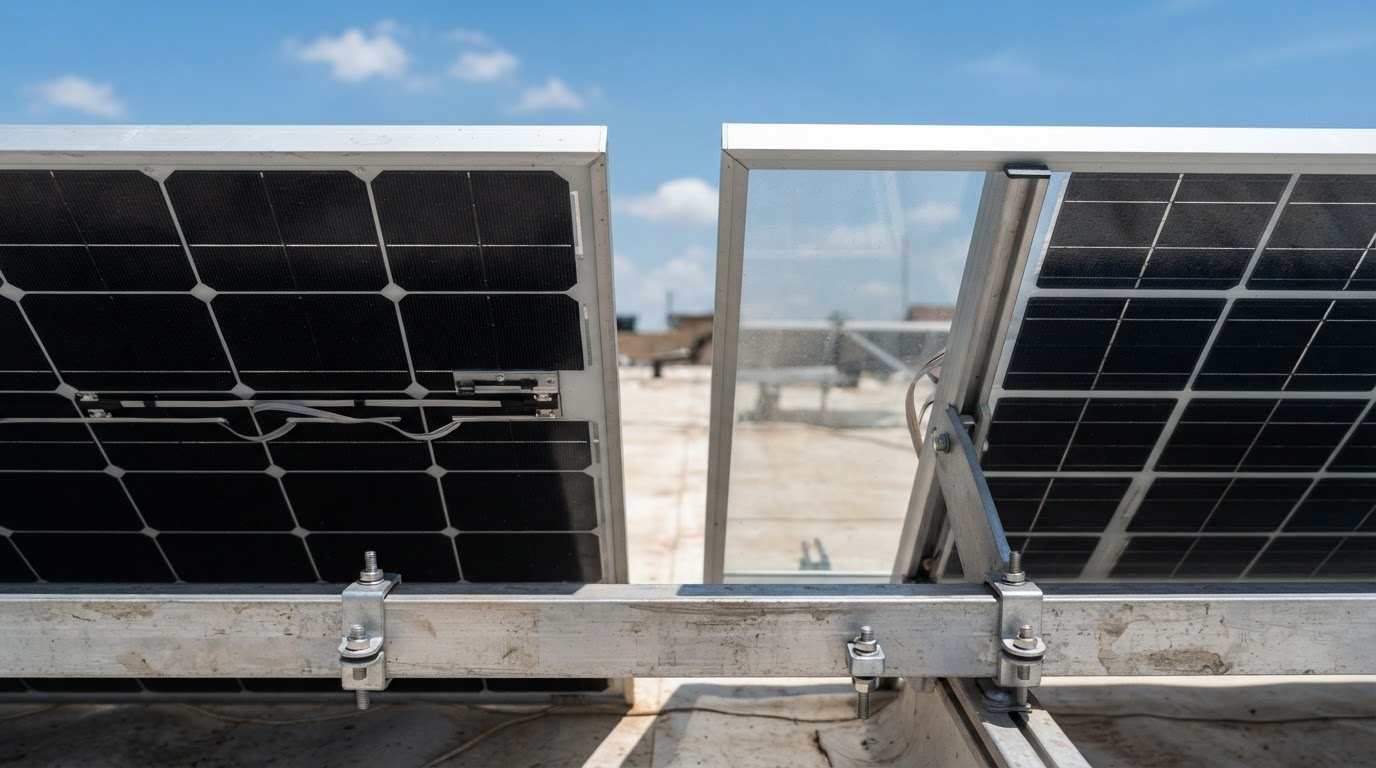
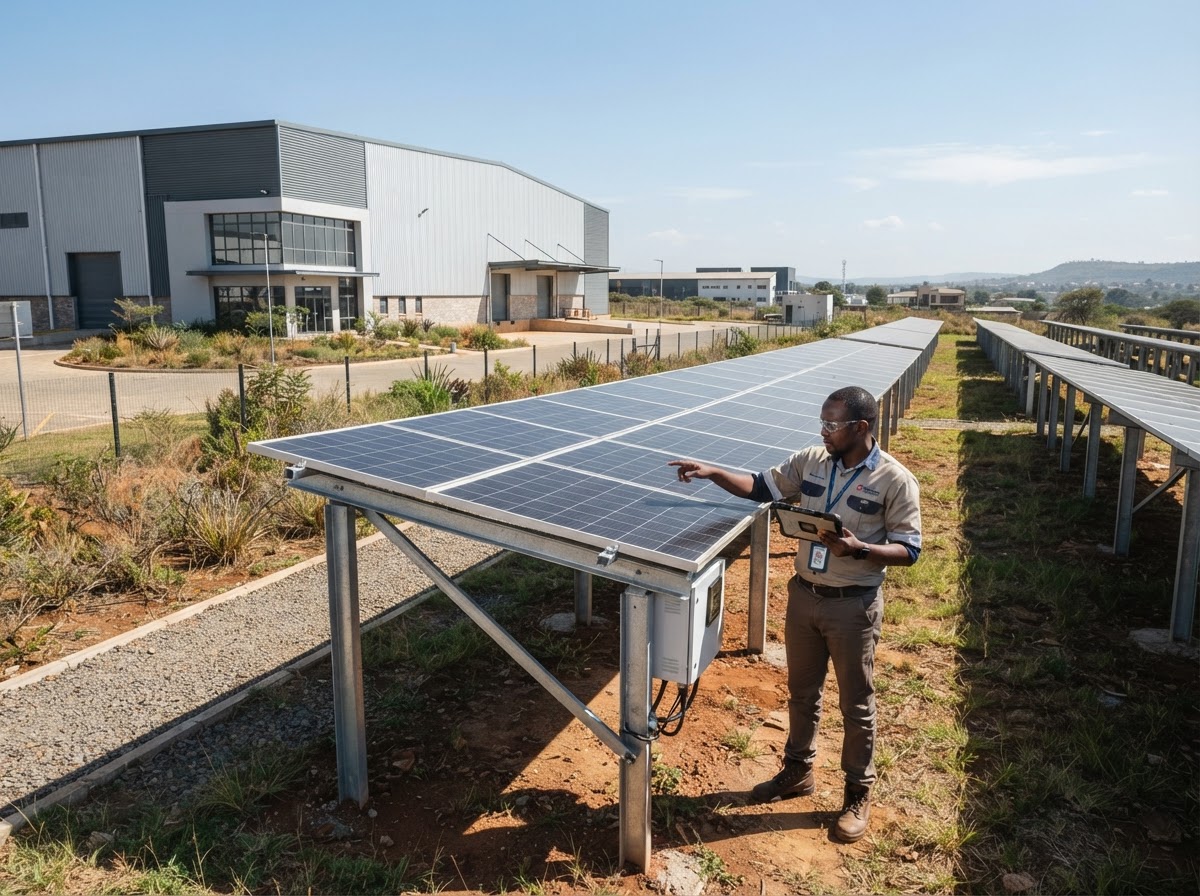
A grid-tied system connects solar panels to your electrical supply through a grid-tie inverter, usually without a battery. Solar power is used first, and the grid supplies the rest.
Why grid-tied systems switch off in an outage
For safety, grid-tied inverters are designed to shut down when the grid fails. This protects technicians working on power lines. It means a standard grid-tied system typically provides no power during an outage, even when the sun is shining.
Hybrid systems explained
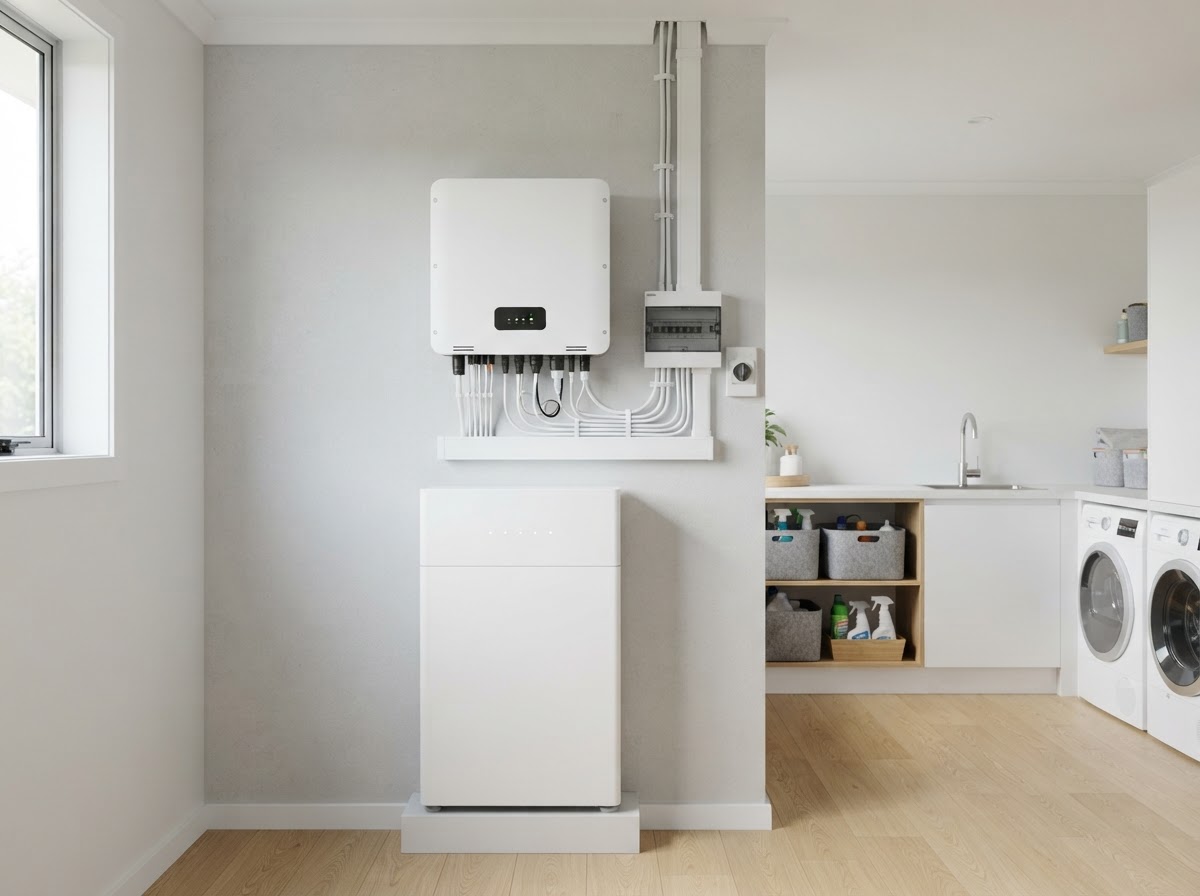
A hybrid system adds a battery and a hybrid inverter. It can store solar energy for later use and keep connected circuits running during outages.
Side-by-side comparison
Grid-tied
- No backup during outages
- No battery, so lower upfront cost
- Best for daytime-heavy users with a reliable grid
Hybrid
- Backup for connected circuits during outages
- Includes a battery, so higher upfront cost
- Best for homes and sites needing evening power or backup
Which should you choose?
If outages are common or you use a lot of power in the evening, a hybrid system is usually the better fit. If you mainly use power during the day and have a reliable grid connection, a grid-tied system may be worth considering. An assessment will clarify the best option for your property.
Written by
Synowatt Editorial Team
Practical guidance from the team at Synowatt Power & Solar Ltd, written to help Kenyan homes, businesses and institutions make informed energy decisions.
This article is general information. The right solar system for your property depends on a professional assessment of your energy needs and site.
Have questions about your solar options?
Talk to Synowatt Power & Solar Ltd about your property and energy needs — we’ll help you find a suitable solar solution.