In this article
Solar panels are the most visible part of your system, and quality varies widely. Knowing which specifications matter helps you compare options with confidence.
Common panel types
- Monocrystalline: made from single-crystal silicon, typically black, and the most common type for new installations.
- Polycrystalline: made from multi-crystal silicon, usually bluish; less common today.
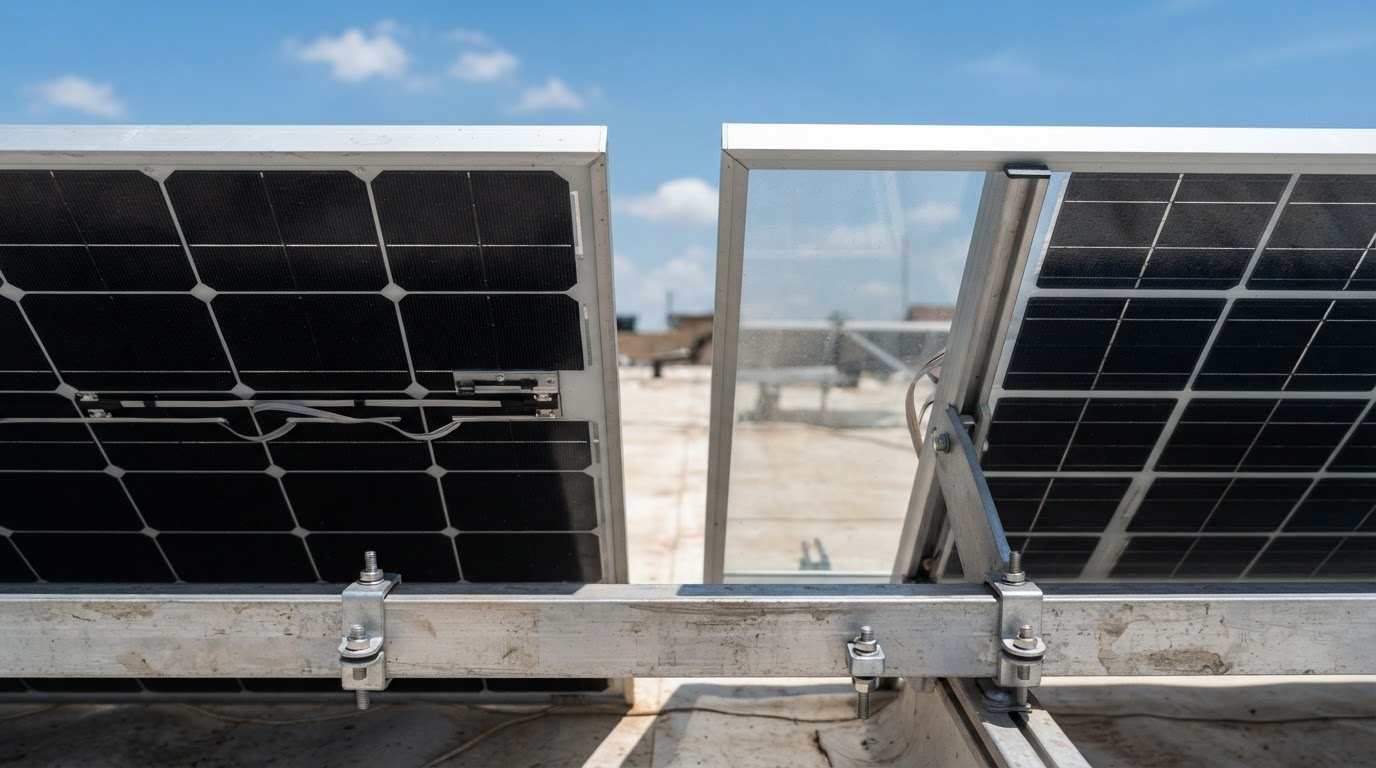
- Bifacial: can capture light on both the front and rear surfaces. The extra gain depends on mounting height and how reflective the surface beneath is.
Wattage and physical size
A panel’s wattage (for example 615W or 625W) is its rated output under standard test conditions. Higher-wattage panels are usually physically larger, so roof space, access and mounting all need to be considered.
Datasheet specifications worth comparing
- Maximum power (Pmax) and power tolerance
- Module efficiency
- Temperature coefficient — lower values lose less output in hot conditions
- Product warranty and performance (output) warranty
- Certifications such as IEC 61215 and IEC 61730
Matching panels to your inverter
Panels are wired in strings, and each inverter has limits on input voltage and current. Your installer will design the string layout so the panels and inverter work safely and efficiently together.
Buying tips
- Buy from reputable suppliers and ask for datasheets.
- Be cautious of prices that seem far below the market.
- Check that warranties are honoured locally.
- Choose panels as part of a complete, properly designed system.
Written by
Synowatt Editorial Team
Practical guidance from the team at Synowatt Power & Solar Ltd, written to help Kenyan homes, businesses and institutions make informed energy decisions.
This article is general information. The right solar system for your property depends on a professional assessment of your energy needs and site.
Have questions about your solar options?
Talk to Synowatt Power & Solar Ltd about your property and energy needs — we’ll help you find a suitable solar solution.